Ted Turner Told Me, “They Got Rid of Me Too.”
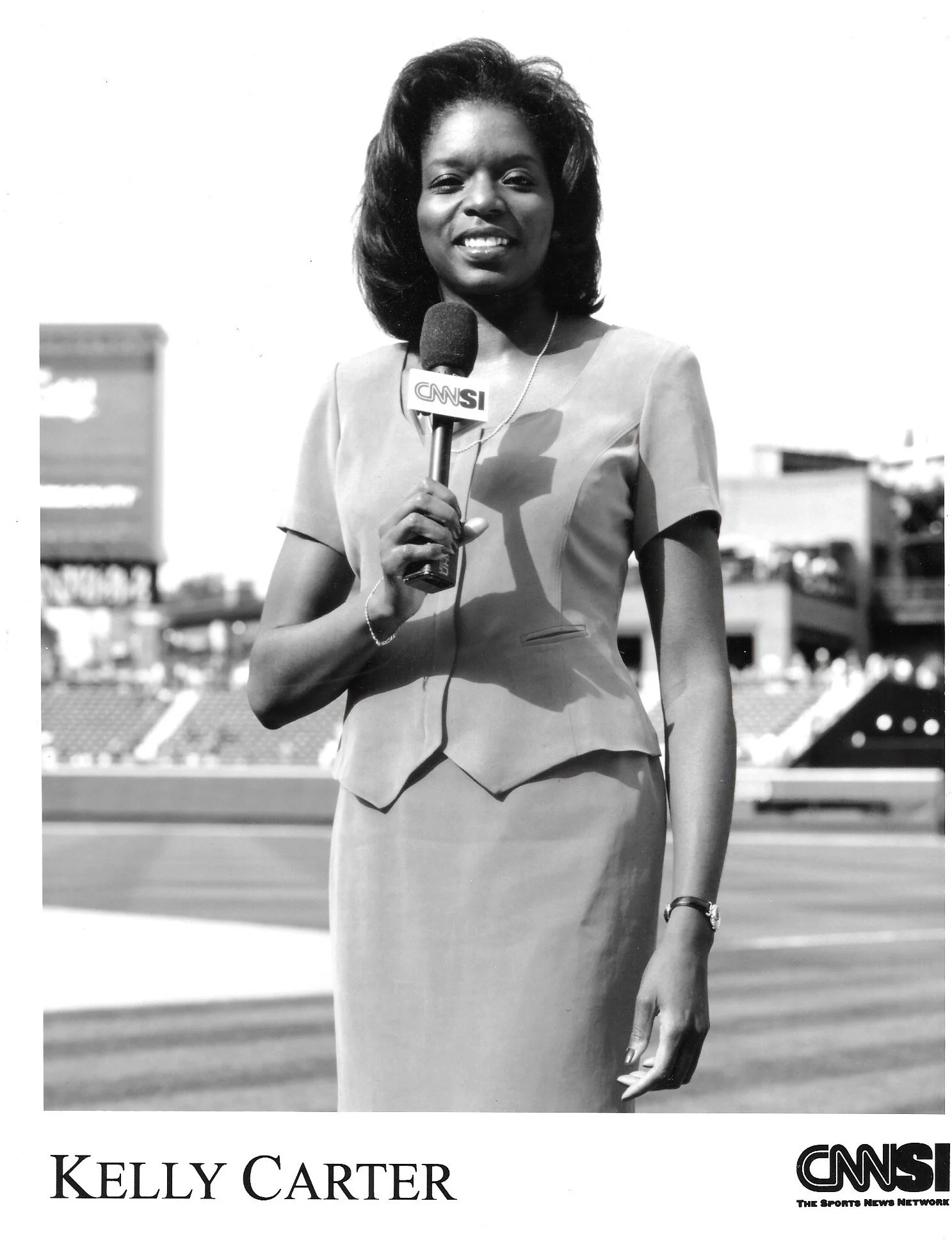
Circa 1997
“They got rid of me too,” Ted Turner told me in 2007, after I shared with him that I had been fired by CNN/SI ten years prior.
We laughed over our common bond.
We were seated near each other at the Kentucky Derby. When the crowd sang “My Old Kentucky Home,” Ted belted out the words with the force that he built his broadcast empire.
CNN/SI, a partnership between CNN and Sports Illustrated, launched in December 1996 as a 24-hour sports network to compete with ESPN. Ted had already sold his media conglomerate to Time Warner a year before but remained on as vice-chairman. Hired as an on-air West Coast correspondent in February 1997, I joined the trend of print reporters making the leap to TV. I spent my first month at the CNN headquarters in Atlanta, working with renowned media coach Andrea Kirby, who became the first full-time female reporter for ABC Sports in 1977, and CNN/SI producers to learn how to write scripts, do standups, track packages, etc.
It was during this time that I first met Ted on an elevator. He looked at me from head to toe and made an inappropriate comment about my stature. Even the man with him cringed. But I didn’t remind Ted about his tactless remark while at Churchill Downs. I was too enamored with being at the Kentucky Derby for the first time. Coincidentally, Phyllis George, another legendary female sportscasting pioneer, was near us and graciously posed for a photo with me.

Phyllis George and Kelly E. Carter at the 2007 Kentucky Derby
Unlike Phyllis, my on-air sports career lasted only six months. My short stint ended up being the focus of a chapter in former sportscaster Brent Weber’s book, The Sports Guy: Scorecard Scribblings From an Ordinary Journalist. In the two-page chapter titled, The End of CNN/SI, Brent, who was at CNN prior to the partnership with SI began, wrote about the influx of print-turned-broadcast reporters and how “disrespectful and “unrealistic” it was to have seasoned broadcasters help print reporters become television reporters.
“They had decided to replace me with what CNN-SI coveted in that TV/print post-merger era: a female sportswriter.
“Kelly Carter also just happened to be my friend, a writer for USA Today at the time who was looking to make the transition to television despite a lack of on-camera experience. In the weeks leading up to finding out I wouldn't be back in Los Angeles, Kelly had told me she was considering a transition to television. I answered her questions and tried to encourage her. The night I had gotten word I was not being offered a renewal (“One of the most difficult decisions I'd ever had to make”, my boss had said earlier in the day, though I doubt his sincerity.) Kelly cornered me, wide-eyed and stoked, to tell me we were going to be working together in the Los Angeles bureau. She had been hired as a reporter and was heading to Atlanta the next day to formalize the deal. They hadn't even told her I was out! She had been deceived to believe she would have me there to help teach her the ropes. She took the job anyway; opportunities in our business often come over the littered remains of our friends as well as our enemies.
“But unlike other places where the sportswriter may simply do his/her thing by standing in front of a camera and letting a producer put the final product together, CNN demanded the reporters be television producers. It was unfair to ask Kelly to be adept at this role immediately. All of her inside contacts and considerable journalistic skills couldn't make up for a lack of television experience. She left CNN a few months later and is now working as an entertainment reporter in Hollywood. My respect for her as a person and professional journalist never waned; my respect for some of those making decisions at CNN did, not because of my departure (I got what I asked for, frankly) but because of the choices they made regarding people and places far, far away from the home base in Atlanta.”
That was nice of Brent, who refers to me as an award-winning NFL and NBA reporter in a later chapter titled “Women and Athletes In Sports Journalism”, not to write that CNN/SI let me go. CNN/SI only lasted until 2022. It tried. I tried.
I was let go just before my 35th birthday and decided not to return to sportswriting. When I began my career in sports journalism, I vowed I would only stay in sports until I turned 35 because I didn’t want to be an old woman running around a men’s locker room trying to get young athletes to give me a scoop. So, I thank CNN/SI for booting me into entertainment, which began another exciting chapter in my never-dull life. Now, back to writing my memoir.